
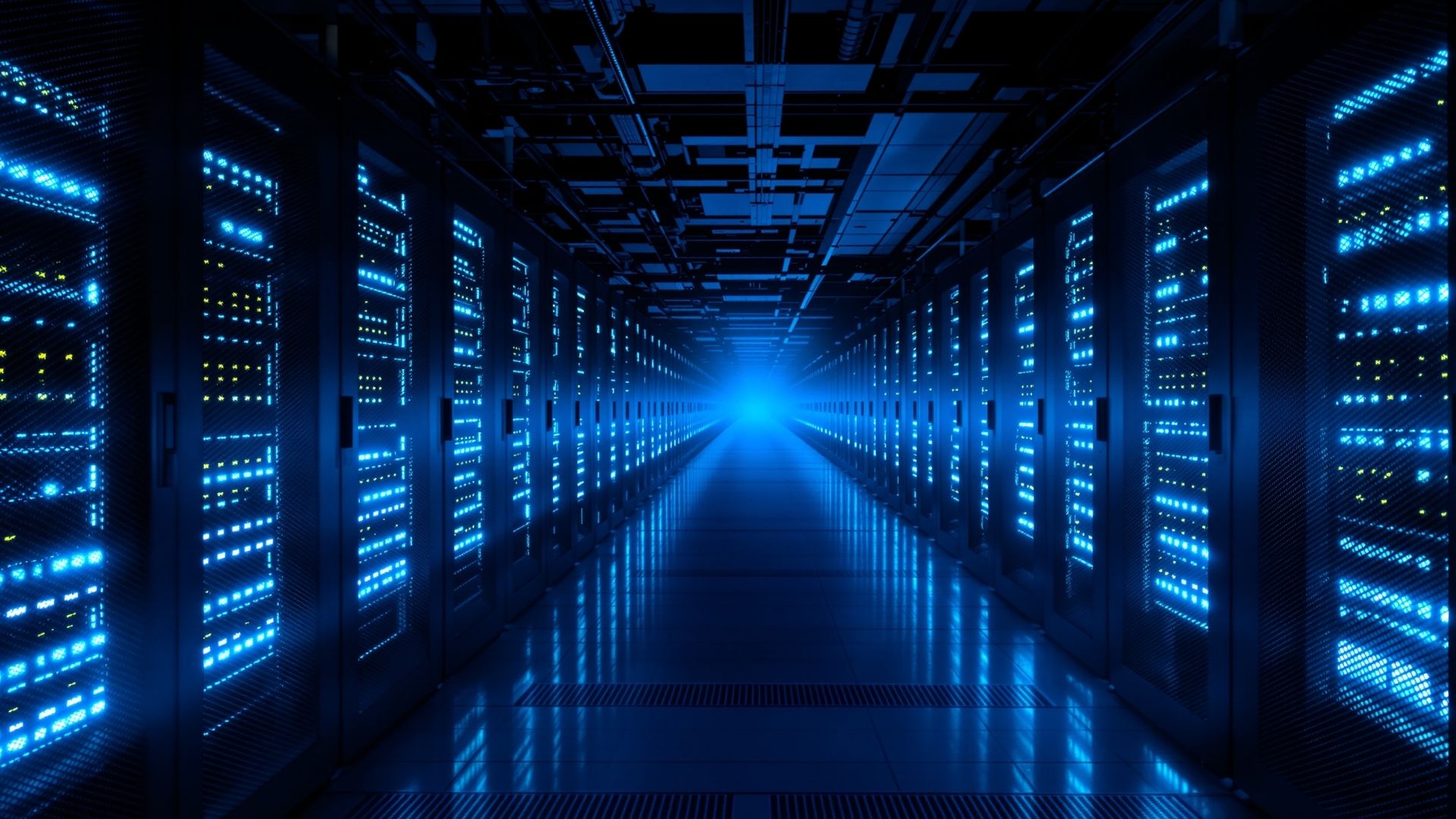
The numbers are striking. As of mid-2026, there are nearly 12,000 active data centers worldwide. Demand is predicted to nearly triple by 2030. Between now and the end of the decade, companies worldwide are expected to invest close to $7 trillion in building and upgrading data center infrastructure. More than $5 trillion of that investment is expected to be driven by demand for AI-specific data center capacity.
A detailed report from Programs.com lays out the full scale of this expansion, and the picture it paints has implications well beyond the tech sector. Data centers are reshaping energy grids, local economies, and the fundamental architecture of how AI is deployed across industries.
For organizations thinking seriously about AI-powered security, the data center boom is directly relevant to a question that does not get asked often enough: where should AI actually run?
The cost of centralized AI is becoming visible
The Programs.com report highlights a set of constraints that are becoming harder to ignore as data center demand scales. Power availability is one. More than 70% of data center and power generation leaders say that powering new facilities is either very or extremely challenging.
Environmental cost is another. Large data centers use up to 5 million gallons of water per day for cooling. By 2028, data centers could consume up to 12% of total US electricity, with electricity costs in surrounding areas already rising sharply in some markets.
AI workloads are also changing the economics of infrastructure itself. The report cites projections showing that AI server racks could require dramatically more power than traditional computing infrastructure, adding further pressure to already constrained power systems. As AI inference becomes more continuous and widespread, where that processing takes place becomes an increasingly important infrastructure decision.
For organizations deploying AI across operational environments, these dynamics raise an important architectural question: which workloads need centralized infrastructure, and which are better processed closer to where the data is generated?
Why location matters for AI processing
For enterprise security, that same logic applies with an additional dimension: data sensitivity.
Video footage from a security system is not generic data. It captures people, behaviors, and events in environments where privacy and operational security matter. Routing sensitive video through external infrastructure can introduce additional network dependencies, latency considerations, and questions about where data is processed and stored. For security environments, those architectural decisions can have direct implications for privacy, resilience, and operational control.
On-premises AI processing offers a different architectural model. By processing intelligence closer to where video is generated, organizations can reduce reliance on external connectivity and maintain greater control over how sensitive data is processed and stored.
How Koshee is built for a distributed AI world
The infrastructure direction the data center boom is pointing toward, distributed, on-site, closer to where data is generated, is the architecture Koshee was built around from the start.
Koshee Protect runs on-premises, within the organization’s network and behind its firewall. Video intelligence is processed locally rather than relying on third-party cloud processing, helping organizations maintain control over sensitive video data while reducing dependence on external connectivity for core video intelligence workflows. Our models learn your specific environment over time, improving accuracy and reducing false positives without requiring data to leave the facility.
As AI infrastructure continues to scale globally, the organizations that will be best positioned are the ones that have already made deliberate decisions about where their AI runs and who controls it. For enterprise security, where video data is sensitive and operational awareness matters, on-premises processing deserves to be part of that infrastructure conversation.
Read the full report: Measuring the Data Center Boom: Facts and Statistics (2026)
Learn how Koshee delivers on-premise AI video intelligence for enterprise security: Contact Us